

Understanding the true cost of packing and moving services is key to budgeting for a smooth, stress-free move. These concise insights will help you anticipate expenses, spot hidden fees, and confidently choose the right moving company—ensuring your relocation stays organized, transparent, and on-budget.
- Local moving rates average $50–$200/hour, while full-service packing for a 3-bedroom home can reach $1,030–$2,200+—always clarify what’s included to avoid surprises.
- Transparent, itemized quotes are essential—request digital estimates and confirm all line items, including surcharges for stairs, elevators, or materials, before you book.
- Home size and distance drive most costs: A minimalist 1-bedroom pack can cost $280–$650, while long-distance moves may range $4,500–$16,900+ based on weight and mileage.
- Hidden fees often appear for access challenges—look for $50–$150 stair/elevator surcharges and $75–$300 long carry fees in condos or buildings with parking restrictions.
- Digital tools enhance control and clarity—compare at least three online quotes, use virtual inventories, and check for mobile-friendly dashboards for seamless planning.
- Bundled packages offer value and convenience: Full service includes packing/unpacking and equipment, but supplies, assembly, or specialty handling are often extra—always clarify “what’s in vs. out.”
- Smart cost-cutting means booking off-peak times (mid-week or off-season shifts often save 15–25%) and paring down inventory before your move to beat bloated bills.
- Choose movers with proven transparency and tech-forward features—look for real-time booking, written estimates, and digital support to ensure reliability and a stress-free experience.
A simpler, smarter move starts with transparency, digital convenience, and asking the right questions—read the full article for tactical tips to ensure your next move is seamless and surprise-free.
Understanding the True Cost of Packing and Moving Services
How much does moving really cost? If you’ve ever tried to decode the true price of packing and moving services, you know it can feel like unraveling a mystery—until an unexpected invoice arrives.
From sudden “stairs fees” to surprise supply costs, over 60% of Canadians report at least one unexpected charge on moving day. The good news? Transparent, up-front pricing is now becoming the new standard—powered by smarter technology and customer-first service.
Whether you’re planning a city apartment move or relocating your family across provinces, knowing what to expect isn’t just about keeping your budget on track. It’s about feeling in control every step of the way—from your very first inventory check to the last box in your new home.
Here’s the difference that matters:
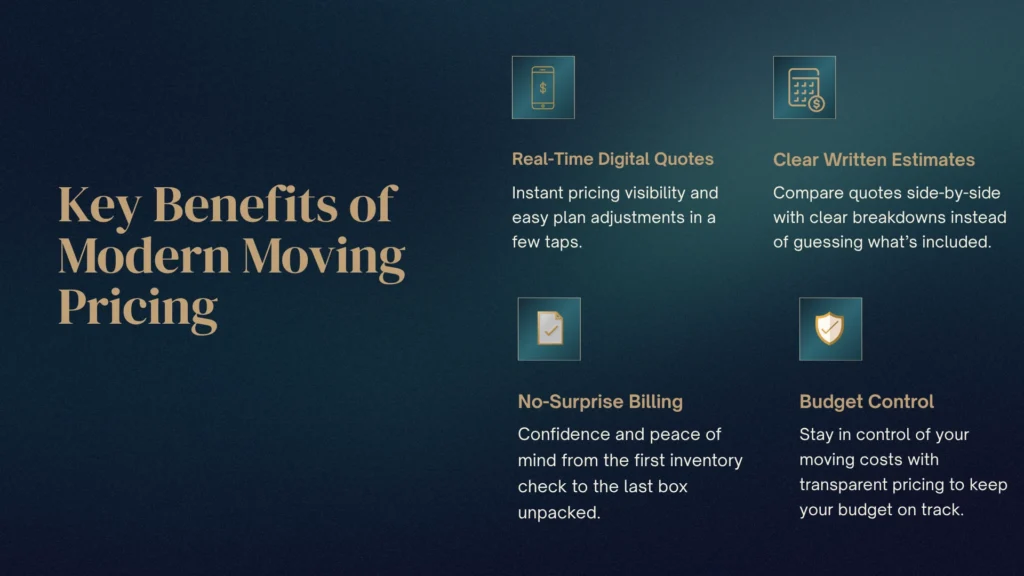
- Real-time, digital quotes let you see pricing instantly—and adjust your plans with a few taps
- You can compare clear, written estimates side by side, instead of guessing what’s included
- No-surprise billing gives you confidence, not stress, on move day (and every day leading up)
But costs aren’t one-size-fits-all. What you pay depends on unique factors—your home size, service level, timing, location, and even how easy it is to access your doorway.
Feeling overwhelmed by all the moving parts? You’re not alone. Most people just want a simple answer: “What will MY move cost—and how do I avoid hidden fees?”
In the sections ahead, you’ll find exactly how moving companies set their rates, which fees to expect (and question), how to spot hidden extras, and the best ways to compare packages for your specific needs.
Ready to take control of your next move? Let’s map out the true cost—so you can plan smarter, spend wisely, and move with total peace of mind.

Understanding the True Cost of Packing and Moving Services
Finding the real cost of packing and moving services starts with market averages. In major Canadian cities, you’ll see packing rates around $60–$80 per hour per packer, with many providers charging between $67–$120/hour—and moving crews for local jobs ranging from $50–$200 per hour.
Picture this: the cost to pack a one-bedroom apartment can run $280–$650; two bedrooms, $530–$1,000; while a full-service pack for a three-bedroom home may reach $1,030–$2,200.
—
How Moving Companies Structure Fees
The moving industry offers three main pricing models:
- Hourly rates (most common for local moves)
- By weight (standard for long-distance relocations)
- Flat-rate packages (for predictable, all-inclusive pricing)
Local moves are typically billed by the hour—think $50–$200/hour—while cross-country or interprovincial moves rely on total weight and distance, falling between $4,500–$16,900 depending on your inventory.
A “base” quote often covers:
- Packing and moving crew labor
- Standard moving vehicle
- Basic insurance
But may exclude:
- Specialty packing supplies
- Heavy or oversized item handling
- Surcharges for stairs, elevators, or difficult access
—
Transparent Estimates: Why They Matter
With so many variables, up-front clarity is critical. Tech-savvy movers are transforming the experience with:
- Instant online quotes
- Virtual pre-move surveys
- Digital inventory tracking
Imagine booking your move in minutes—with complete price transparency and a breakdown of every fee. “No surprises, no guesswork” is the new standard.
Quotable tip:
“Transparent pricing is the fastest way to move with confidence.”
“Every extra item and flight of stairs can change your quote—get details before you book.”
—
With today’s fast-moving marketplace, national averages offer just a jumping-off point. For a stress-free move, always look for clear estimates and use instant online tools to compare actual costs—because the right info up front keeps your move on-budget and worry-free.
Factors That Influence Your Move’s Price
Understanding the factors that influence your move’s price helps you plan a more accurate budget. Costs depend on home size, distance, labour, access conditions, timing, and service level, and even small details can change the final price.
1. Home Size and Inventory
The size of your home and the total number of belongings are the single biggest drivers of moving cost.
Moving a 1-bedroom may cost $280–$650 for packing alone, while a 3-bedroom jumps to $1,030–$2,200 or more.
Movers assess your quote based on:
- Square footage: More rooms = more labor, more materials
- Inventory checklist: A detailed list helps pinpoint actual needs
Picture this: Packing up a minimalist condo takes hours—packing up a family home can take days.
“The more stuff you move, the faster expenses add up. Accuracy starts with your inventory.”
2. Move Distance and Logistics
Your moving distance changes everything about the price.
- Local moves: Usually billed hourly ($50–$200/hr)
- Long-distance: Charged by weight and mileage (often $4,500–$16,900)
- Urban vs. suburban: City traffic, parking, and regulations affect both time and cost
Imagine navigating a moving truck through downtown during rush hour—logistics matter.
3. Labour Requirements and Crew Size
The number of movers is matched to your move’s complexity.
- More crew, higher hourly rates
- Special items: Pianos, safes, or oversized furniture need extra hands (and care)
If you have heavy or fragile items, expect a larger (and pricier) crew.
“Specialty items aren’t just heavier—they need experts and sometimes custom equipment.”
4. Access Challenges, Timing & Surcharges
Certain property types and timing lead to extra fees.
- Stairs, elevators, long walks, tough parking—all add up
- Condos and high-rises: Usually come with rules, fees, or elevator bookings
- Peak moving season (May–September): Higher rates and limited availability
- Weekends/holidays/end-of-month: Demand surcharges are common
5. Service Level, Materials & Fine Print Extras
Your selected service bundle and moving materials make a difference.
- Full-service vs. DIY: Full packing/unpacking costs more but saves time and stress
- Packing supplies: Sometimes included, often charged separately
- Extra fees: Look for fuel surcharges, tolls, waiting time, or last-minute changes
Tip: Always check for fine print on estimates—hidden costs aren’t fun surprises.
“A clear, written quote from a trustworthy mover keeps you in control and stress-free.”
A smarter move starts with knowing these factors—and asking about each one for your situation. When you understand what shapes your price, you avoid surprises and take charge of your budget.

What to Look for in a Moving Partner
Prioritize movers with a track record of reliability, professionalism, and simple communication.
Ask yourself:
- Does the company have plenty of recent, positive reviews from real customers?
- Are they insured, licensed, and clear about their coverage?
- Do they offer digital tools like instant online quotes, virtual surveys, or easy-to-read contracts?
- Are their service levels flexible, allowing for both full-service packing and DIY options?
For busy professionals or families, small details matter. Picture this: your move day is scheduled, every box is accounted for digitally, and the support team is always available—online or by phone. No gray areas, no last-minute fees.
Technology + Expertise for Stress-Free Moves
Modern movers like MovingGPT have set the standard with:
- Real-time booking platforms for instant, tailored pricing
- Step-by-step digital move planning and inventory management
- Friendly, trained staff who guide you through challenges, whether it’s a condo elevator reservation or fragile item handling
You should always feel confident asking these questions before booking:
- What exactly does your estimate include (and exclude)?
- How do you handle damages and insurance claims?
- Can I change my inventory or dates online?
- What are your cancellation or rescheduling policies?
The Value of Transparency and Customer-First Service
People pay an average of $50–$200 per hour for local moves and $4,500–$16,900 for long-distance moves—every detail counts.
Transparent, customer-focused moving services make costs predictable and the process smoother. When you know exactly what to expect, there are no surprises on moving day—and you can focus on settling into your new space.
“A smooth move starts with clear answers.”
“Move smart: compare, clarify, and confirm every step.”
Choosing a mover that combines real-time technology and genuine care ensures your investment isn’t just safe—it’s smart.
Making the Right Choice for Packing and Moving Services
A smooth, on-budget move is no longer just luck—it’s a direct result of transparency, smart planning, and the right digital tools. With today’s moving services, you can gain upfront clarity, minimize stress, and invest confidently in a seamless transition.
Prioritize your move with these high-impact steps:
- Use instant online quote tools—don’t settle for ballpark figures or vague promises.
- Request detailed, written estimates that list every possible fee up front.
- Compare at least three reputable movers on service, technology, and flexibility—not just price alone.
- Confirm what’s included and excluded before signing any agreement.
- Leverage technology like virtual inventories and digital checklists for effortless prep and real-time updates.
Ready for your next move? Start today by:
- Visiting trusted movers’ websites and running a quick digital estimate—see your true costs in minutes.
- Making a full inventory of your belongings using an app or online planner.
- Booking consultations or virtual walkthroughs with moving partners who specialize in clear, tech-driven service.
Every transparent quote, digital checklist, and informed question puts you fully in control of your moving experience.
“Smarter moves start with the right questions and end with zero regrets.”
Choose clarity, stay proactive, and set yourself up for the kind of move that feels easy from the very first step. Your move is more than boxes and trucks—it’s your life in motion. Make it a move worth remembering.

Comparing Moving Service Packages: What’s Included (and What’s Not)
Choosing the right moving package is all about simplicity and transparency—so you know exactly what you’re paying for, and why.
The most common service tiers fall into two main categories:
- Basic labor: movers load, transport, and unload your belongings.
- Full service: includes professional packing/unpacking, materials, and can add specialty handling for fragile or bulky items.
A la carte options let you pick just what you need, like packing only, furniture assembly, or temporary storage. Bundled packages often save time and money if you want a hands-off move.
Package Choices for Every Situation
Picture this: you’re moving from a one-bedroom Toronto apartment. Basic service means $400–$700 for a local move, but add professional packing and that jumps to $650–$1,250.
For a family moving cross-city from a three-bedroom home, expect $1,200–$2,500 for movers, with another $1,000–$2,200 if you want everything packed for you. The right extras? Think wardrobe boxes, mattress bags, or storage—perfect for families needing time between houses.
Planning a cross-country relocation? Most long-distance packages range from $4,500–$16,900+, depending on item weight, trip length, and specialty services like furniture crating or auto transport.
What’s Usually Included (and Not)
Base quotes typically cover:
- Truck and crew for the time booked
- Basic moving equipment (dollies, blankets)
- Standard cargo protection
Often extra:
- Packing supplies (boxes, tape)
- Packing/unpacking labor
- Appliance/furniture disassembly or assembly
- Specialty item handling (pianos, safes, art)
- Storage or delays
Remember: “Extras” can quickly push up your total, so always clarify what’s in and what’s out.
Smart Questions Before You Book
Stop surprises before they start with these must-ask questions:
- What add-ons or surcharges might apply to my building or schedule?
- Is insurance (valuation coverage) included, or extra?
- What is the cancellation or change policy?
Ask how estimates are done—many top providers now offer:
- Instant online quotes
- Virtual inventory walkthroughs
- Digital documents and communications
Modern moving means more control: “A clear quote saves stress—and money, every time.”
To keep moving costs in check, always compare packages by total service, not just advertised rates, and ask for clear, written breakdowns. This gives you confidence that your next move will be easy, organized, and stress-free—no matter which path you choose.
Smart Budgeting for Your Move
Planning your move shouldn’t mean guessing your costs or facing surprise fees. Accurate budgeting starts with understanding the core elements that shape your final bill—and using the right tools to stay in control.
Start by creating an overview of what you’ll need—packers, movers, supplies, and timing all affect your price tag right from the start.
- For a 1-bedroom home, expect $280–$650 for packing and $50–$200 per hour for movers locally.
- For bigger homes, packing jumps to $1,030–$2,200+ and long-distance moving can reach $4,500–$16,900.
Picture this: You’re sorting your closet, tablet in hand, and an AI-powered estimate tool updates as you check off items. Instantly, you see how adding one more heavy dresser shifts your forecast—no surprises later.
Practical Ways to Cut Costs Without Stress
Don’t just chase the lowest price. Instead, prioritize value that keeps you protected and stress-free.
- Book off-peak times: Moves scheduled mid-week or off-season (outside May–September) can drop rates by 15–25%.
- Pare down your inventory: Fewer boxes and lighter loads mean lower costs—sell, donate, or discard what you don’t need.
- Use tech: Digital checklists, online quoting, and virtual inventories help capture every detail, prevent mistakes, and compare options quickly.
“Asking for a transparent quote is your best defense against hidden fees.”
Tools and Resources for Transparent Pricing
The newest trend? Moving calculator tools and instant online estimates that let you compare real-time pricing in minutes.
- Try at least three digital quotes to spot outliers and catch fees before they bite.
- Look for features like breakdowns by service, automatic updates for date/season, and mobile-friendly interfaces.
- Use a moving planner app to see timelines, supply lists, and your total cost—all in one clean dashboard.
Digital-first moving keeps surprises out of your budget and peace of mind front and centre.
By combining smart online tools with practical planning, you’ll know exactly what to expect—and have a move that’s easy to budget, track, and control. The smartest move is choosing transparency and reliability from the start.
Hidden Fees and How to Avoid Surprises
Picture this: You’re almost settled in your new home when an unexpected invoice arrives, packed with hidden charges. Most moving surprises happen at delivery—so noticing, questioning, and confirming potential add-ons upfront is essential.
Where Hidden Fees Happen
Common scenarios that trigger extra costs include:
- Stairs or elevators: Many movers add $50–$150 tiered stair/elevator fees, especially in high-rises.
- Long carry distances: If movers can’t park near your entrance, you might see $75–$300 “long carry” surcharges.
- Last-minute changes: Sudden packing requests or rescheduled moves often mean overtime or rebooking fees.
- Fuel, tolls, or shuttle truck needs: Extra vehicles for tricky routes can cost an additional $100–$400.
You’ll also want to watch for:
- Waiting-time charges: Delays at pickup or drop-off can trigger per-hour late fees.
- Packing materials markups: Some companies quote labor-only rates, but charge premium prices for boxes and supplies.
How to Spot and Prevent Upcharges
Stay ahead with these protective steps:
- Request a complete, itemized quote that breaks down every predicted charge.
- Review the fine print for phrases like “additional labor” or “access difficulty surcharges.”
- Confirm materials pricing—is every box, roll of tape, and pad included or extra?
- Document agreements: Get confirmations in writing, especially for any changes to the scope of your move.
Quotable moment: “Clarity on paper beats surprises on moving day.”
Another share-worthy insight: “The difference between a smooth move and a stressful one? Details—upfront and in writing.”
How Top Movers Keep It Transparent
Reputable moving services prioritize clear, up-front estimates and real-time updates. Look for companies using:
- Digital inventory lists and virtual assessments to ensure accuracy.
- User-friendly online portals so you can track services, approve changes, and view all charges in one place.
- Automatic alerting for schedule updates or possible added fees, so you’re never caught off guard.
Top firms will always walk you through what’s included—and, just as crucially, what’s not.
Real-Life Cost Scenarios
#### Small Urban Apartment Move
Imagine moving from a city condo:
- Packing: $300 (1 packer, 4 hours)
- Local move: $100/hour for 2 movers, 3 hours
- Stairs fee: $100
A $700 quote can skip to $900+ if you request last-minute packing or have a long walk from truck to elevator.
#### Family Long-Distance Move
For cross-province families:
- Full pack: $1,800
- Long-haul move: $9,000 (3-bedroom, 1,500 km)
- Piano/safe: $350 extra
- Seasonal demand: +10% premium for July
A flat-rate quote prevents surprises—whereas an itemized quote may show upcharges as extras.
#### Business/Office Relocation
Commercial clients face:
- Specialty equipment packing: $450
- After-hours fees: $300
- Proof of insurance required—keep certificates ready.
Controlling your budget is all about detailed, documented estimates and proactive communication.
Remember, the best defense against surprise costs is transparency, documentation, and asking the right questions before you book. A smart move starts with full visibility—all fees, all terms, all in writing.
Making the Most of Your Investment: Choosing the Right Moving Partner
Choosing the right moving company is about more than just price — it’s about trust, convenience, and transparency.
Start with movers who are clear about costs up front. Look for companies that offer written estimates and willingly explain every line item, including hourly rates, surcharges, and possible add-ons.
FAQ
- What are Packing and Moving Services?
Packing and Moving Services include professional assistance for packing, loading, transporting, and unpacking household items. These services help ensure a safe and organized relocation with minimal stress and time savings. - How much do Packing and Moving Services cost?
Packing and Moving Services typically cost between hourly local rates and full-package pricing depending on home size, distance, and service level. Costs can vary significantly based on additional requirements like packing materials or access conditions. - How can I avoid hidden fees in Packing and Moving Services?
To avoid surprises in Packing and Moving Services, always request detailed written estimates, confirm all surcharges, and clarify fees for stairs, elevators, and long carry distances before booking. - Are Packing and Moving Services worth it for small apartments?
Yes, Packing and Moving Services are often worth it even for small apartments because they save time, reduce physical effort, and ensure items are packed securely and transported efficiently. - How do I compare companies for Packing and Moving Services?
To compare Packing and Moving Services providers, review at least three quotes, check transparency in pricing, evaluate included services, and look for digital tools that offer real-time estimates and inventory tracking.